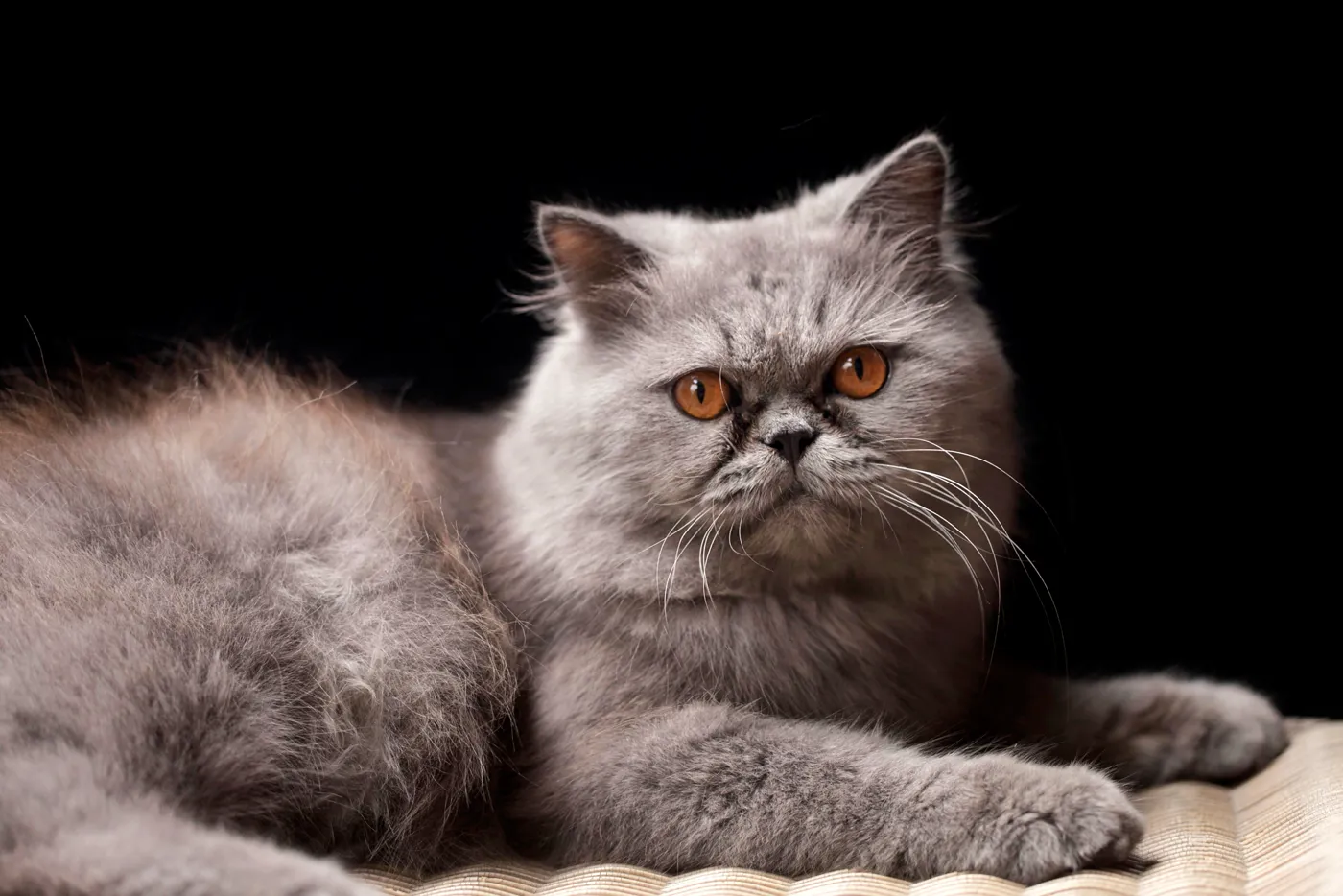
Persian breed overview
The Persian reached Europe from Persia as early as the 17th century and has remained one of the most recognisable breeds in the world ever since. The modern Persian type is the result of long selection: a round head, small ears, huge eyes and a very long coat with a dense undercoat.
It is important to tell two types apart. The classic (European) Persian has a moderately shortened muzzle with the nose set below eye level, and such a cat usually has no breathing problems. The extreme (peke-face) type has a completely flat face with the nose on the eye line; it is this type that suffers laboured breathing, constant tearing and bite problems.
For a buyer in Moldova this is the key practical question when choosing a kitten. The extreme type looks more striking but lives harder and costs more at the vet. If you want a cat as a pet rather than for shows, the classic type is the sensible choice.
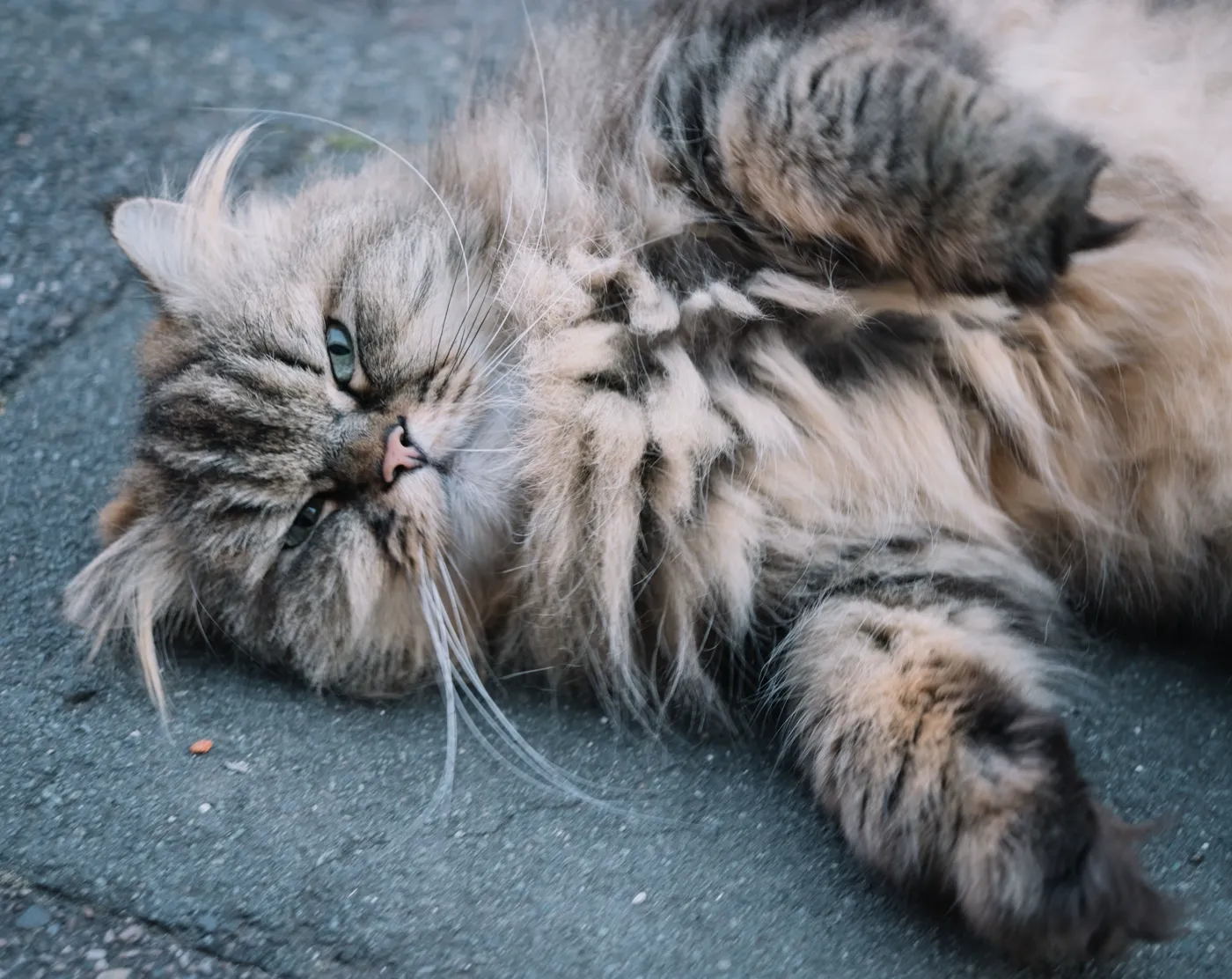
Temperament
The Persian is a model of calm. It does not race across cupboards or sweep things off tables, and spends most of the day on the sofa beside its owner. For a home that values quiet, it is one of the best breeds there is.
Persians have soft voices and miaow rarely and quietly — the exact opposite of Siamese. They want attention but ask for it unobtrusively: more likely to come and lie down next to you than to call.
With children the Persian is patient, but it dislikes roughness and noise. Its ideal home is a quiet one with a predictable routine. Sudden changes, house moves and large gatherings suit it less than most breeds.
Coat and eye care
The coat is the owner's main daily job. The Persian undercoat is very dense and without brushing it mats into tight clumps right against the skin that cannot be teased out: they have to be cut away, and sometimes the cat is clipped under anaesthetic. Brush every day with a metal comb, not skipping the armpits, the britches and the belly.
Bathing is also compulsory — every 3–4 weeks, always followed by blow-drying. Persian coat gets greasy faster than short fur, and if left damp it mats within a day. Many owners choose a short clip every 2–3 months: the cat looks less spectacular but there are no mats.
Eyes need daily wiping. Because of the shortened muzzle the tear duct works poorly in Persians and dark tracks form under the eyes. That is normal for the breed, not a disease — but if the discharge turns purulent, see a vet.
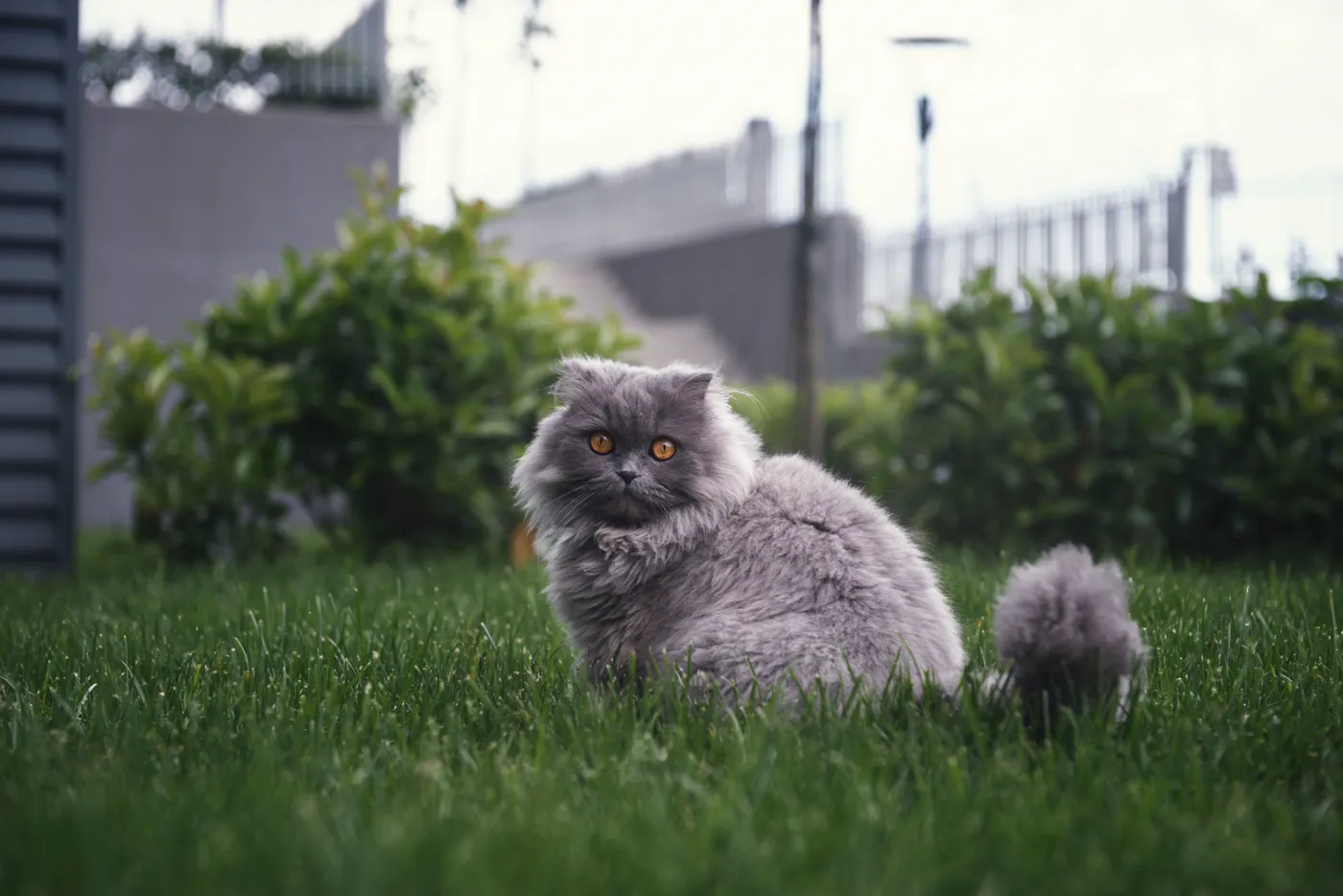
Keeping and health
The Persian is strictly an indoor animal: outdoors the long coat instantly collects debris and mats, and the flat face copes badly with heat. In a Moldovan summer a flat without air conditioning is hard on the cat, especially the extreme type.
The breed's main hereditary disease is polycystic kidney disease (PKD). Responsible breeders test their breeding cats, and you should ask for the test result before buying: it is the only way not to buy a kitten whose kidneys will fail at five to seven years old.
Persian kitten price in Moldova
A Persian kitten in Moldova costs between 2,500 and 8,000 MDL. There are few listings for the breed — two or three per hundred cat adverts on average — so more often you wait for the right kitten rather than choose from a dozen.
The price usually includes age-appropriate vaccinations, parasite treatment and a vet passport. Ask separately for the parents' PKD test result and clarify the face type: it determines both the adult cat's appearance and your future vet bills.