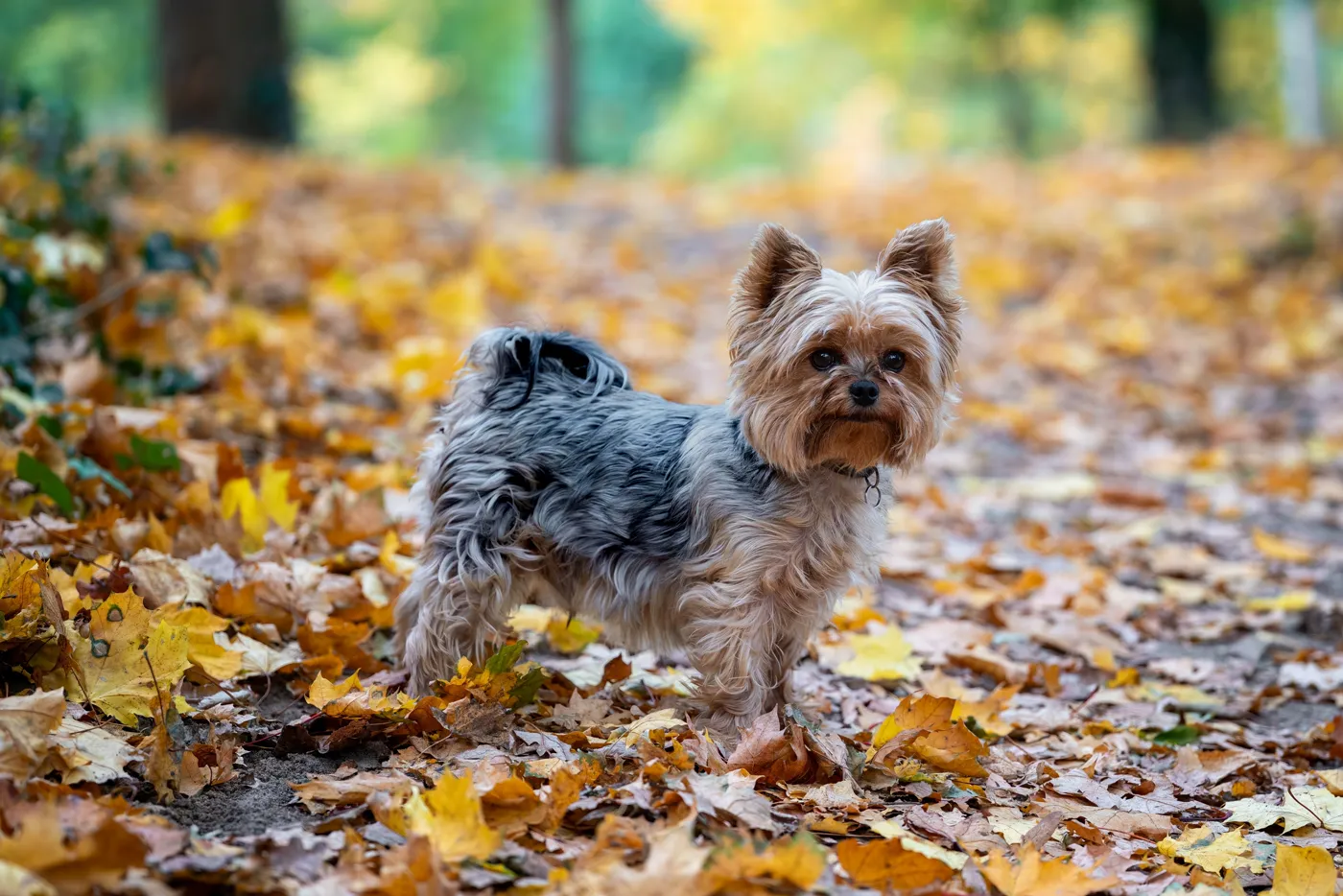
Yorkshire Terrier breed overview
The Yorkie did not start out as a handbag dog but as a ratter. In the 19th century Yorkshire miners and weavers kept these terriers to hunt rats in the pits and mills. Hence the temperament that surprises new owners: under the silky coat hides a real terrier — stubborn, bold and utterly unaware that it weighs three kilos.
The FCI standard caps the weight at 3.2 kg; there is no height requirement as such. Anything sold as a 'mini Yorkie' or 'baby face' at under 1.5 kg is not covered by the standard: such dogs come from mating the smallest individuals, live shorter lives and fall ill more often. It is not a separate variety but a breeding fault someone learned to charge more for.
In Moldova the Yorkie is among the three most frequently listed breeds while remaining the most affordable: a median price of about 7,000 MDL against 15,000 for a Poodle. Puppies are available all year in both Chisinau and Balti.
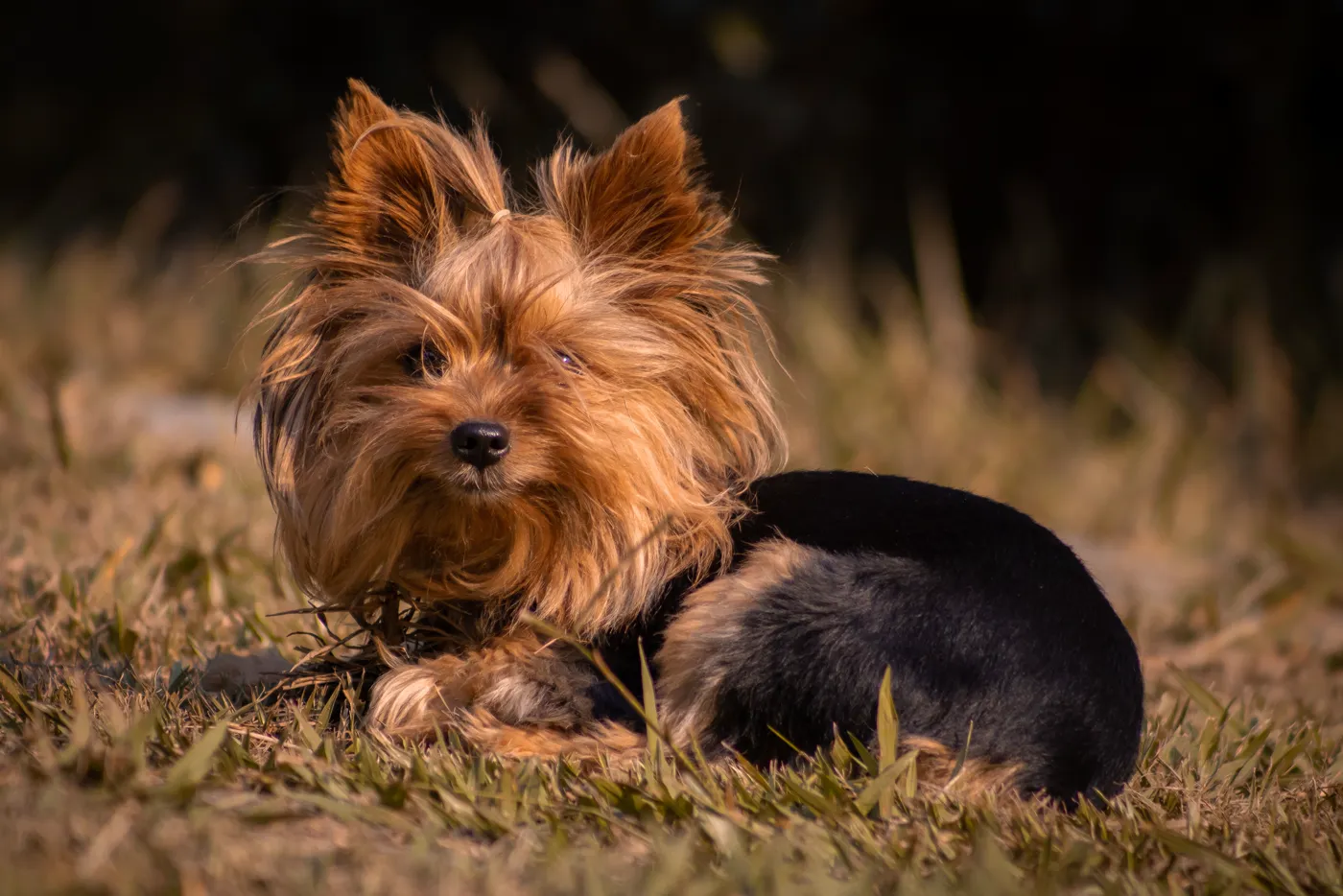
Temperament
The Yorkie is a terrier in essence and in behaviour. It is bold to the point of recklessness, ready to bark at a dog ten times its size and unwilling to back down. Owners find this funny right up until the first fight, so socialisation with large dogs is needed from puppyhood, and a lead in unfamiliar places.
The breed is deeply attached and jealous. A Yorkie picks one person in the family and starts guarding them, including from other family members. This is not aggression but a misread hierarchy, and it is fixed by ordinary upbringing: the dog does not sleep in the bed, does not eat from the table and does not get everything on demand.
The main owner complaint is barking. A terrier considers it its duty to announce everything that happens, and by default it does so loudly. Training for quiet has to start in the first weeks; in an adult dog the habit is already set.
Grooming and health
A Yorkie's coat grows continuously and does not shed — in structure it is closer to human hair than to dog fur. There are two options: show length with daily brushing and wrappers, or a hygiene clip every 6–8 weeks for 400–700 MDL. Almost everyone who does not show their dog picks the second, and that is fine.
Teeth are the breed's weakest point. Milk teeth often fail to drop, tartar builds up by the age of two, and without cleaning the dog loses teeth by six or seven. Check the mouth monthly and have an ultrasonic cleaning done once a year.
Second is the trachea. Small breeds are prone to tracheal collapse, and a collar provokes it directly. A Yorkie is walked on a harness only. Third is puppy hypoglycaemia: a dog under four months is fed 4–5 times a day — long gaps are dangerous for a three-kilo animal.
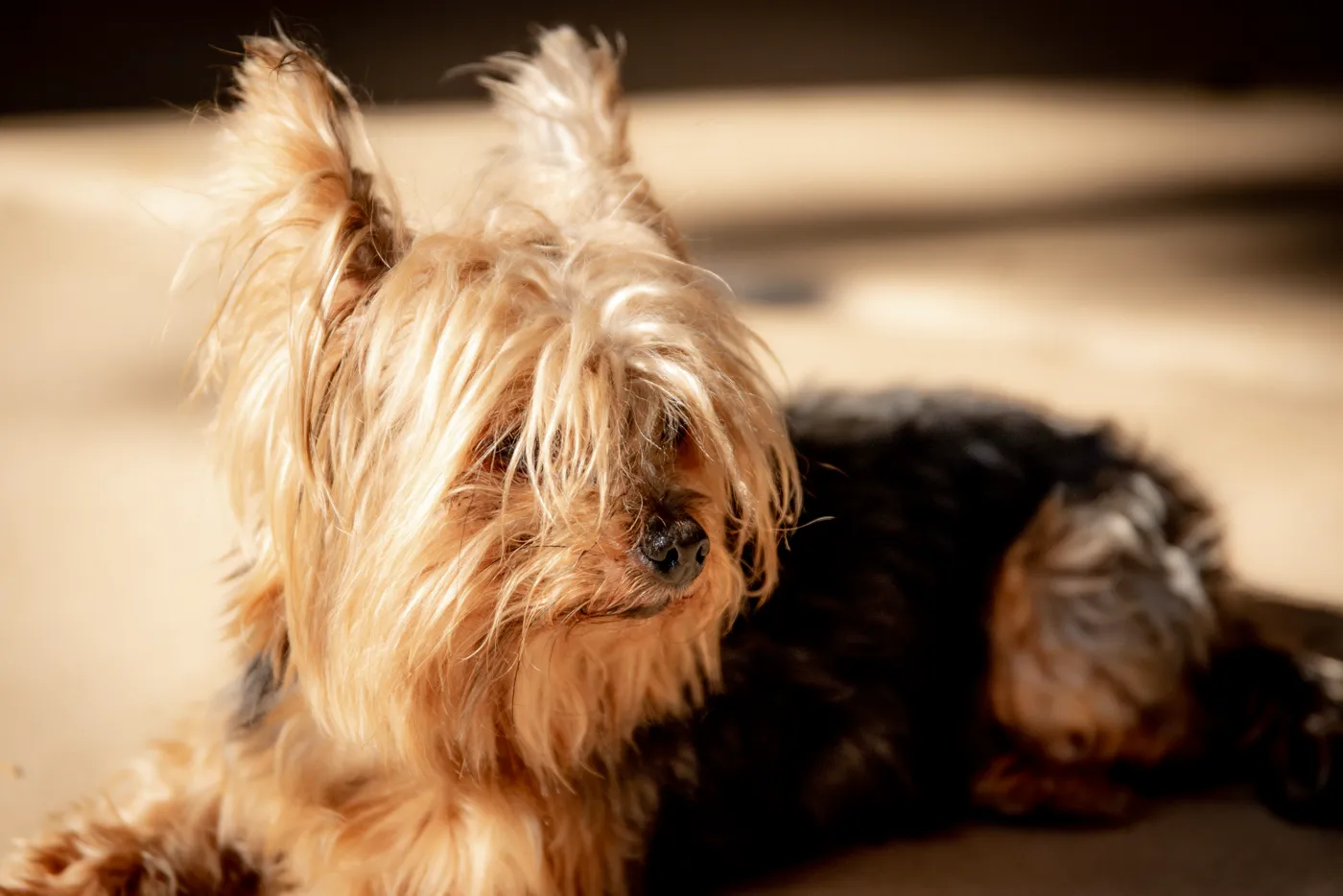
Living in an apartment
For a flat the Yorkie is ideal and does not need long walks: an hour a day in total is enough. Many owners train the dog to a pad, and for a three-kilo breed that is sensible, especially in Moldovan slush.
The Yorkie has no undercoat, so in winter it gets cold outdoors at around zero — a coat is a necessity, not a whim. In summer the problem reverses: long hair overheats the dog, and for July and August most owners clip it short.
Yorkshire Terrier price in Moldova
A Yorkshire Terrier puppy in Moldova costs between 2,500 and 10,000 MDL, with a median around 7,000. It is the most affordable of the popular breeds: for the price of one Poodle you could take two Yorkies.
Cheap offers under 3,000 MDL almost always mean no papers and a mating with no thought to the pairing. That is not a deal-breaker if you want a companion, but check the vet passport, the vaccinations and the age: a Yorkie puppy is not released before three months — the risk of hypoglycaemia is too high.