The breed and what 'bolonka' means
The Maltese is a breed with two thousand years of history: dogs of this type were kept in ancient Rome, and throughout that time they have had exactly one job — to be a companion. There are no hunting or guarding tasks in the breed, and it shows in the temperament: the Maltese is entirely people-oriented.
The first thing a Moldovan buyer needs to know: the word 'bolonka' in listings is not a breed but a catch-all. It covers the Maltese, the Bolognese, the Russian Coloured Bolonka and plain white crosses. Those are four different dogs with different prices and different health profiles, so the first thing to ask a seller is which breed exactly they mean and whether it has papers.
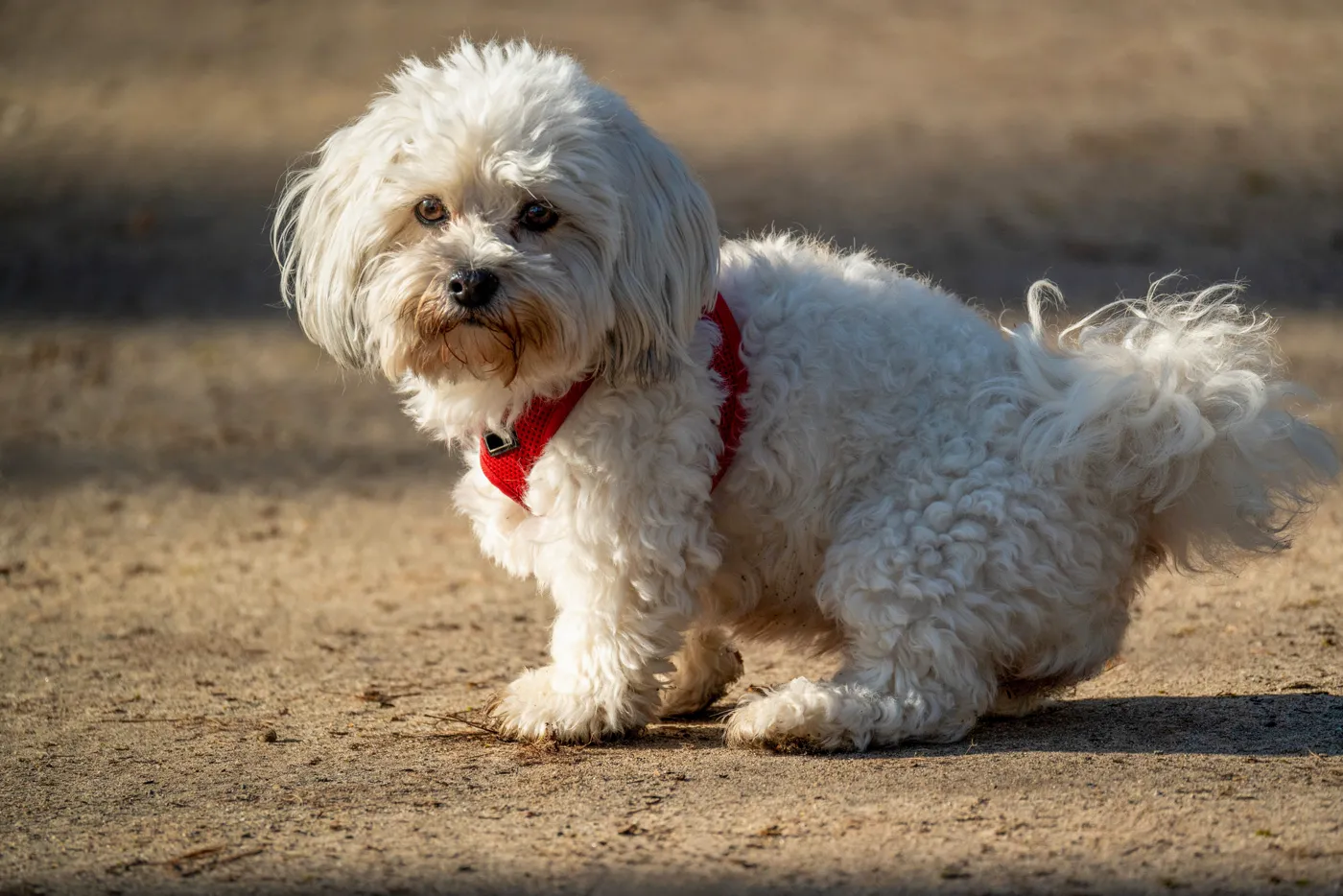
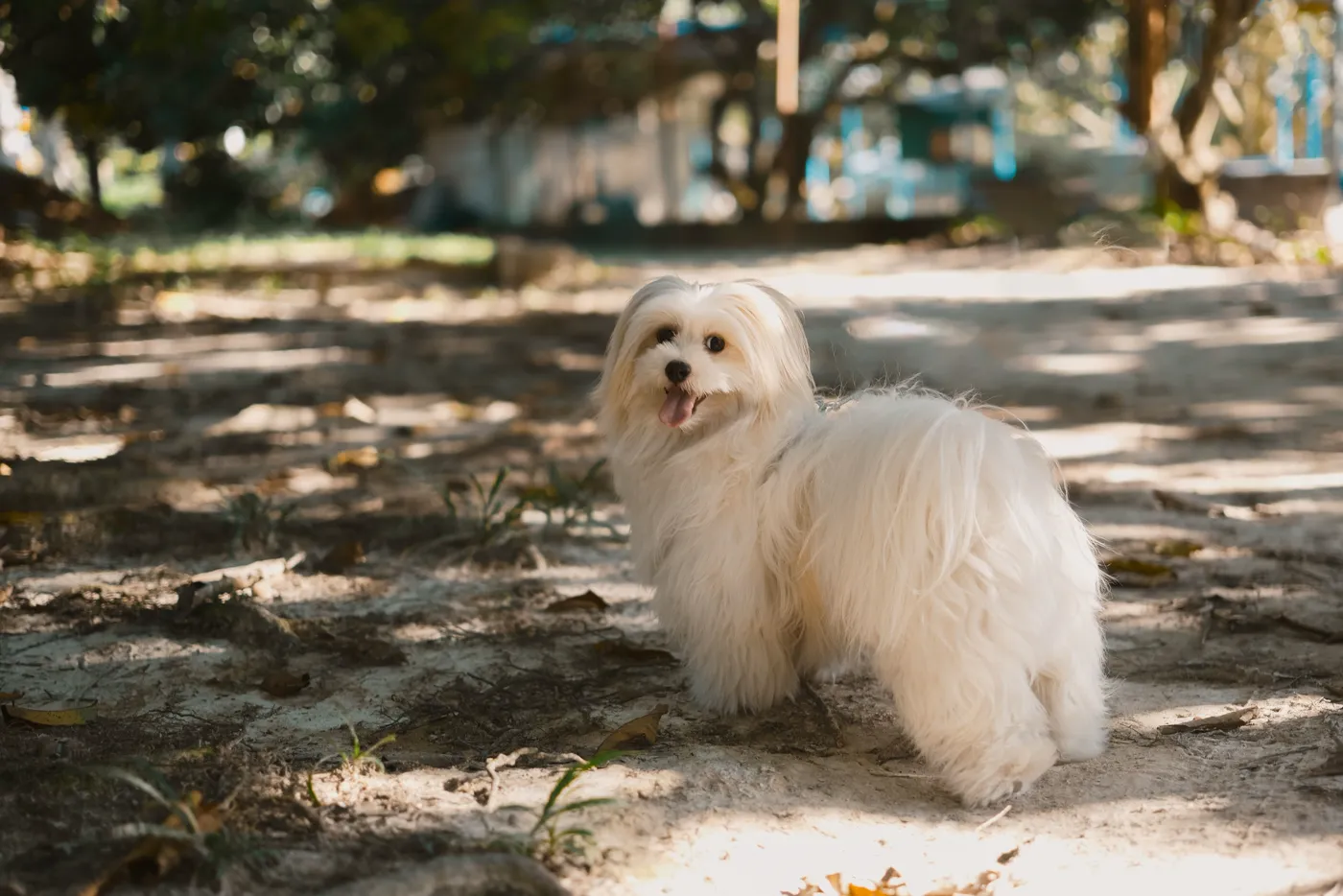
A true Maltese is pure white with a long, straight coat, not a single curl, and no undercoat at all. Cream or reddish markings are not favoured by the standard, and a grey or patched colour means you are not looking at a Maltese.
Temperament
The Maltese is an affectionate, highly sociable dog that follows its owner from room to room. There is no aggression in the breed, it rarely looks for conflict with other animals and gets on easily with cats.
The flip side of that attachment is separation. Left alone all day a Maltese howls and destroys things, and this is not a training failure but a feature of a breed developed specifically to be near people all the time.
The dog is vocal: it will announce every guest and every noise in the stairwell. It gets on splendidly with school-age children, but is not for toddlers for the same reason as every small breed — three kilos and fragile bones will not survive a fall from someone's arms.
Caring for a white coat
The white, undercoat-free coat is the main item of care. It has to be brushed daily: without an undercoat mats do not form in clumps but in strands from the root, and once formed they cannot be teased out. Owners who are not ready for daily brushing clip the dog short every 6–8 weeks, which is more honest than letting the coat go.
The second problem is tear staining. On a white face it shows particularly clearly. There are usually three causes: hair getting into the eye, poor-quality food, or a blocked tear duct. The first two are solved by trimming the fringe and changing the food, the third by a vet visit.
A Maltese is bathed every 2–3 weeks with a shampoo for white coats and must be blow-dried: a damp undercoat-free coat mats within a day. Ears are cleaned weekly; teeth, as with all small breeds, need an annual professional cleaning.
Living in an apartment
The Maltese is a flat dog by definition. Two short walks are enough, it does not shed and has no smell, which makes the breed comfortable even in a small home.
The Moldovan climate brings two complications. In summer a white dog gets dirty quickly and overheats in the sun — walk in the morning and evening and clip the coat shorter. In winter and slush a coat is unavoidable: there is no undercoat, and after every walk the white paws have to be washed.
Maltese price in Moldova
A puppy advertised as a 'bolonka' costs between 3,000 and 12,000 MDL in Moldova, with a median around 6,000. The spread is explained first of all by the fact that one word covers different breeds: a Maltese with FCI papers sits at the top of the range, an unregistered white puppy at the bottom.
Before buying, ask for the documents and look at the parents. If the seller cannot name the breed more precisely than 'bolonka' and there are no papers, it is not a Maltese and should not be priced like one.